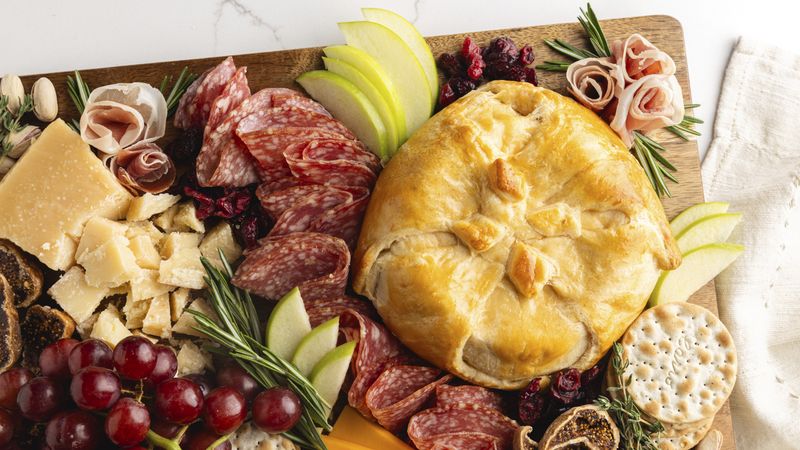
Achieve Perfect Baked Brie in Crescent Rolls: Your Guide to Golden Gooey Goodness
There are few appetizers as universally beloved and effortlessly elegant as baked brie wrapped in a flaky, golden crust. When that crust is made from convenient crescent roll dough, you have a culinary masterpiece that transforms from simple ingredients into an irresistible sensation. This delightful treat, often known as
baked brie rolls or brie en croûte, has become a staple at social gatherings, holiday feasts, and even cozy nights in, captivating guests with its creamy, buttery richness and perfect texture. This comprehensive guide will walk you through every step, from selecting your ingredients to perfecting the bake, ensuring your baked brie in crescent rolls is nothing short of extraordinary.
The Irresistible Allure of Baked Brie in Crescent Rolls
At its heart, the magic of this dish lies in the harmonious marriage of two distinct textures and flavors: the luxurious, melt-in-your-mouth quality of brie cheese and the light, airy crispness of crescent roll dough. Brie, a soft, creamy cheese hailing from France, boasts a mild yet distinct flavor profile that intensifies beautifully when warmed. Its rind, though often debated, is entirely edible and softens to become part of the creamy interior when baked, adding a subtle earthy note.
Pairing this exquisite cheese with store-bought crescent roll dough is a stroke of genius. It democratizes what could be an intimidating dish, allowing even novice cooks to create an appetizer that looks and tastes like it came straight from a gourmet kitchen. The pre-made dough removes the hassle of pastry making, ensuring a consistently flaky and golden crust with minimal effort. This combination results in a warm, gooey center encased in a buttery shell, making each bite an experience in comfort and indulgence. Whether you're aiming to impress a crowd or simply treat yourself,
baked brie rolls are an easy win.
Essential Ingredients and Smart Preparation Tips
Crafting the perfect baked brie roll begins with selecting quality ingredients and employing smart preparation techniques. While the core recipe is incredibly simple, a few insights can elevate your final product.
Key Ingredients You'll Need:
- 1 Wheel of Brie Cheese: Approximately 8 ounces (225g) is standard. You can use larger wheels, but adjust dough coverage accordingly. While some prefer to remove the rind, it's perfectly edible and helps hold the cheese's shape during baking, contributing to that glorious molten interior.
- 1 Can of Crescent Roll Dough: (8 ounces) Store-bought brands like Pillsbury are perfect. Ensure it's refrigerated until ready to use.
- Optional Toppings: This is where you can truly customize your baked brie.
- Sweet: Honey, brown sugar, fruit preserves (raspberry, fig, apricot are popular), dried fruits (cranberries, apricots, figs), chopped nuts (pecans, walnuts, almonds).
- Savory: Garlic confit, fresh herbs (rosemary, thyme), pesto, sun-dried tomatoes, caramelized onions.
- Egg Wash: 1 egg beaten with a splash of water or milk. This is crucial for achieving that beautiful golden-brown, shiny crust.
Preparation Pointers for Success:
- Chill Your Brie: A slightly chilled brie wheel is easier to handle and wrap. It also helps prevent the cheese from oozing out too quickly during baking.
- Seal the Dough Seamlessly: When unrolling your crescent dough, you'll likely encounter perforations. Press these seams firmly together to create a solid sheet of dough. This prevents cheese from leaking out and ensures a uniform crust. For larger brie wheels, you might need to slightly overlap two triangles of dough and press them together to form a larger patch.
- Don't Skimp on Toppings (But Don't Overdo It!): While toppings add fantastic flavor and texture, use them judiciously. Too much can make wrapping difficult or cause the dough to tear. A thin layer of jam or a small handful of nuts is usually sufficient.
- Preheat Thoroughly: Always allow your oven to fully preheat. A consistent, even temperature from the start is vital for the dough to puff up correctly and for the cheese to melt uniformly.
For more ideas on effortless preparation, check out our guide on
Easy Baked Brie in Crescent Rolls: The Impressive Appetizer for Any Gathering.
The Golden Gooey Secret: Perfect Cooking Time and Temperature
The heart of achieving perfect
baked brie rolls lies in mastering the cooking time and temperature. The goal is a crust that's beautifully golden and flaky, encasing a brie that's luxuriously molten but not completely liquefied and oozing everywhere.
The sweet spot for baking brie in crescent rolls is typically
20 to 25 minutes at 375°F (190°C). This temperature is ideal for several reasons:
- Crisp Crust: 375°F is hot enough to rapidly cook the crescent dough, causing it to puff and become wonderfully crispy and golden brown on the outside.
- Melted Interior: It provides sufficient heat penetration to gently melt the brie cheese through to its core, transforming it into that signature gooey consistency without overcooking and drying it out.
- Structural Integrity: The relatively quick bake time ensures the dough cooks and sets before the brie has a chance to fully erupt, keeping your appetizer neat and intact.
Factors Influencing Your Bake Time:
- Oven Calibration: Ovens can vary. If your oven tends to run hot or cold, you might need to adjust the time by a few minutes. An oven thermometer can be a valuable tool.
- Brie Size and Initial Temperature: A larger or colder wheel of brie might require an extra minute or two.
- Toppings: Very moist toppings might slightly extend the bake time, though usually not significantly.
Always keep a close eye on your baked brie in the last few minutes. You're looking for a rich, uniform golden-brown color on the dough. If it starts browning too quickly, you can loosely tent it with foil, though this is rarely necessary at the recommended temperature.
Step-by-Step Guide to Baking Brilliance
Follow these simple steps to create a show-stopping baked brie roll every time.
- Preheat Your Oven: Set your oven to 375°F (190°C). Prepare a baking sheet by lining it with parchment paper. This prevents sticking and makes for easy cleanup.
- Prepare the Dough: Open the can of crescent roll dough and carefully unroll it onto a clean work surface. If the dough comes in triangles, press the seams firmly together with your fingers to create a solid rectangular sheet. If you're using a larger wheel of brie, you might need to arrange two dough triangles to create a larger square or circular patch to ensure full coverage.
- Position the Brie: Place your wheel of brie cheese in the center of the prepared dough.
- Add Toppings (Optional): If you’re adding any sweet or savory enhancements, spread them evenly over the top of the brie at this stage. Be mindful not to overload it.
- Wrap the Brie: Carefully bring the edges of the crescent dough up and over the brie, encasing it completely. Pinch all the seams tightly to seal the dough around the cheese, ensuring there are no gaps for the cheese to escape. Trim any large excess pieces of dough to prevent them from becoming too thick or burning. For a neat finish, you can often fold the dough under the brie, creating a clean base.
- Egg Wash for Golden Perfection: Transfer the wrapped brie to your parchment-lined baking sheet. In a small bowl, whisk one egg with a splash of water or milk to create an egg wash. Using a pastry brush, gently and evenly brush the entire surface of the dough. This egg wash is what gives your baked brie rolls that desirable golden, shiny finish.
- Bake to Golden Gooeyness: Place the baking sheet in the preheated oven. Bake for 20 to 25 minutes, or until the crescent roll dough is puffed up and turns a beautiful, rich golden-brown color.
- Rest Before Serving: Once baked, remove the brie from the oven. This step is crucial: allow it to cool and rest on the baking sheet for at least 5-10 minutes. This resting period allows the molten cheese to settle slightly, making it much easier to transfer and serve without it immediately flowing out.
Elevating Your Baked Brie Rolls: Variations & Serving Suggestions
Beyond the basic recipe, the beauty of baked brie rolls lies in their incredible versatility. You can endlessly customize them to suit any palate or occasion.
Delectable Variations:
- Sweet & Fruity:
- Raspberry Almond: Spread raspberry preserves over the brie before wrapping, then sprinkle with sliced almonds.
- Apricot Pecan: Use apricot jam and chopped pecans for a delightful sweet and nutty crunch.
- Fig & Honey: A classic combination – fig jam with a drizzle of honey.
- Savory & Herby:
- Garlic & Herb: Mix minced garlic with fresh rosemary and thyme, spread over the brie.
- Pesto Perfection: A thin layer of basil pesto adds a vibrant, savory kick.
- Caramelized Onion: Soft, sweet caramelized onions offer a sophisticated flavor profile.
Serving Suggestions for Maximum Impact:
Serve your warm baked brie rolls immediately after the resting period. It's best enjoyed while the cheese is still wonderfully gooey.
- Accompaniments: Arrange your baked brie on a serving platter with an array of complementary dippers:
- Crackers (water crackers, whole wheat, or artisanal varieties)
- Crusty baguette slices or crostini
- Fresh fruit slices (apple, pear, grapes)
- Vegetable sticks (celery, carrots)
- Garnishes: A final touch can make all the difference. Drizzle with a little extra honey, sprinkle with fresh herbs, or scatter a few extra nuts around the platter for visual appeal.
For holiday-specific ideas that are truly effortless, take a look at
Effortless Holiday Appetizer: Quick Baked Brie with Crescent Rolls Recipe.
Troubleshooting Common Baked Brie Rolls Issues
Even with a straightforward recipe, sometimes things don't go exactly as planned. Here are some quick fixes for common problems:
- Dough Not Golden Enough: If your dough isn't browning sufficiently, it could be your oven temperature is too low, or you haven't baked it long enough. Ensure you used an egg wash, which significantly aids in browning.
- Cheese Too Runny/Oozing Out: This usually means the brie was overbaked, or your dough wasn't sealed properly. Next time, try baking for a minute or two less, ensure all seams are tightly pinched, and consider chilling the wrapped brie for 10-15 minutes before baking to help the dough set faster.
- Dough Undercooked: If the outside is golden but the inside feels raw, your oven might not be hot enough, or the brie wheel was very cold. Ensure your oven is fully preheated and give it the full 20-25 minutes.
- Brie Not Fully Melted: If the cheese isn't gooey enough, it likely needed more time in the oven, or the brie started too cold.
Conclusion
Baked brie in crescent rolls is more than just an appetizer; it’s an experience. It’s the kind of dish that disappears quickly from the table, prompting rave reviews and requests for the recipe. Its undeniable appeal lies in its combination of gourmet taste and incredible ease of preparation, proving that you don't need to be a professional chef to create something truly impressive. With this comprehensive guide, you’re now equipped with all the knowledge and tips to create perfect, golden, and gooey
baked brie rolls every single time. So go ahead, gather your ingredients, and prepare to delight yourself and your guests with this utterly irresistible treat!